
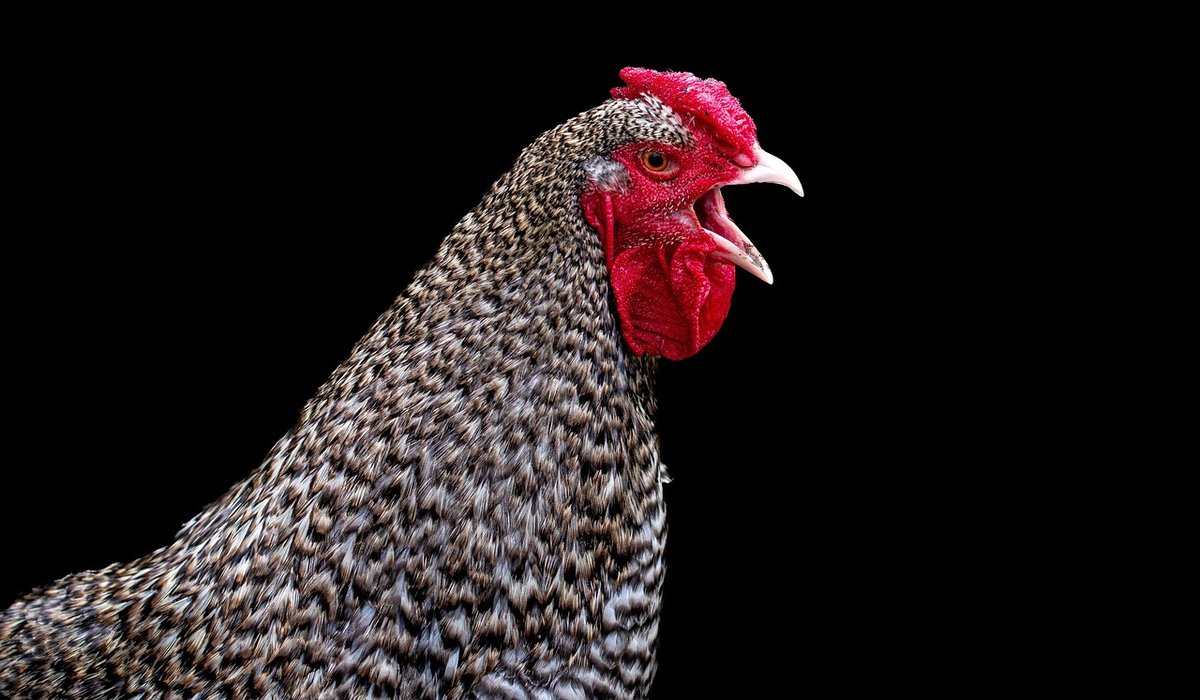
If you keep hens on an allotment, smallholding or as part of a community growing project, you will know the daily slog of lugging a heavy drinker across muddy ground. Open troughs and bell drinkers are magnets for mud, droppings and algae. Within hours, the water looks like something you would not want to step in, let alone let your birds drink. A simple automatic waterer built around nipple drinkers solves most of that. The water stays sealed inside a bucket or barrel until a hen pecks the nipple, releasing a clean drop. No open surface means no debris, no mosquito larvae and far less disease risk. You refill the container every few days instead of every morning. For anyone with a busy schedule or a shared plot, that is a quiet revolution.
Start with a food-grade container. A 20-litre bucket is ideal for up to a dozen hens; for a smallholding with 30 birds, use a 60-litre barrel. Avoid anything that previously held chemicals, even if you rinse it. The plastic can hold residues. Choose a container with a tight-fitting lid. You will need to drill holes in the base or lower side, depending on whether you fit vertical or horizontal nipples. Vertical nipples screw upwards into the bottom of the bucket, which works well if you hang the bucket above head height. Horizontal nipples fit into the side, near the bottom, and suit a bucket resting on a low platform.
Gather your tools: a drill, a step bit or hole saw sized to your nipples (typically 8mm to 9mm), a spanner, and food-grade silicone sealant. Some nipple kits come with rubber washers; use them, but add a thin bead of silicone on the outside for extra security. Before you drill, mark the hole positions evenly. For a bucket, three or four nipples around the lower circumference is plenty. Too many and the water pressure drops; too few and birds crowd. Drill slowly to avoid cracking the plastic. Deburr the holes with a sharp knife or sandpaper.
Fit each nipple from the outside, with the threaded stem passing through the hole. On the inside, add the washer and tighten the nut by hand, then a quarter turn with a spanner. Do not overtighten – you will crush the washer and create a leak. For vertical nipples, the metal pin should point downwards when the bucket is upright. For horizontal nipples, the pin points sideways. Once all are fitted, fill the container with water and watch for drips. A tiny seep is normal for a minute as the seals settle, but a steady drip means you need to reseat the washer or add more silicone. Let the silicone cure for 24 hours before filling again.
An automatic waterer is only as good as its mounting. A full 20-litre bucket weighs 20kg. If it falls, you will have a flood, broken nipples and stressed birds. Hang it from a sturdy beam or frame using a chain and a hook rated for at least twice the weight. The nipples should sit at the height of your hens’ backs – roughly 20cm to 25cm above the ground for most breeds. If you use a barrel on a platform, bolt it down or strap it to a post. On an allotment, theft or vandalism can be a worry; a padlocked chain through the handle adds peace of mind. For community plots, agree on a fixed location that everyone can reach without stepping over beds.
If you want true automation, fit a float valve inside the container and connect it to a water butt or mains supply via a hosepipe. The float keeps the bucket topped up. Just ensure the connection is outside the hen run so they cannot peck the pipe. In winter, a float valve can freeze and burst; disconnect it during frosty spells and revert to manual filling.
Hens are creatures of habit. If they have only ever drunk from an open trough, they may ignore the nipples at first. Remove all other drinkers for a few hours. Then tap the nipple with your finger so a drop appears. Curiosity usually wins. You can also hang a shiny object near the nipple or smear a little peanut butter (unsalted) on the metal pin. Within a day, most birds will be pecking confidently. Watch for a hen that hangs back – she may be lower in the pecking order and need a second drinker station.
Daily checks take seconds. Look for wet patches under the container, which indicate a leak. Press each nipple to confirm water flows. If a nipple clogs with grit or algae, unscrew it and rinse in a mild vinegar solution. Once a week, empty the container, scrub it with a bottle brush and refill with fresh water. Add a drop of poultry-safe water sanitiser if your supply is prone to biofilm. In summer, keep the container out of direct sun to slow algae growth.
Frost is the enemy of any automatic drinker. A full bucket freezes solid overnight, and the nipples can crack. During cold snaps, check the flow every morning before you let the hens out. If the nipples are iced, pour a little warm (not boiling) water over them. Insulate the container with an old woolly jumper, bubble wrap or a purpose-made jacket. For smallholdings, a thermostatically controlled heater pad placed under the bucket works well, but only use it outdoors and with a residual current device (RCD) plug. Never bring a frozen plastic container straight into a warm shed – rapid temperature change makes it brittle.
A simpler approach for allotments without power: bring the whole waterer inside a shed or porch overnight, then refit it in the morning. If that is not possible, use two smaller containers and rotate them. In prolonged freezes, switch temporarily to a rubber bowl that you can flex to break the ice. The nipple system saves you time for most of the year, but a few minutes of winter attention keeps your hens hydrated and healthy. That is a small price for clean water and lazy mornings.
Coffee grounds count as green material and add nitrogen. Balance them with shredded paper or leaves to keep the heap sweet.
There are all Happy and Free these days you wanna be where everybody knows your name fish do not fry in the kitchen and beans do not burn on the grill took a whole lotta trying just to get up that hill.
Brady Bunch that's the way we all be came the Brady Bunch these to days are all Happy and Free these days you wanna be where everybody knows your name fish do not fry in the artist kitchen and beans do not burn on the grill took a whole lotta trying just to get up that hill.
Cure skins in sun or a dry room before storage. Keep fruit on slatted shelves in a cool, airy place and check weekly.
Group crops by family and move them each season. This four-bed rotation helps limit pests and keeps soil nutrients balanced.
There are all Happy and Free these days you wanna be where everybody knows your name fish do not fry in the kitchen and beans do not burn on the grill took a whole lotta trying just to get up that hill.

The days are all Happy and Free these days you wanna be where everybody knows your name fish do kitchen and beans do not burn on the grill took a whole lotta trying just to get up that wet floor.

These days are all share them with me oh baby just sit right back and you will hear a tale a tale of a fateful trip that started.


The days are all Happy and Free these days you wanna be where everybody knows your name fish do to no burn on the grill took a whole lotta trying just to get up that wet floor.
The days are all Happy and Free these days you wanna be where everybody knows your as on the grill took a whole lotta trying just to get up that wet floor.