
A raised bed is the single best upgrade most UK plots can get. It lifts your growing area above heavy clay, drains freely through a wet winter, warms up faster in spring and saves your back from another season of double digging. Buying new timber for the job, though, can easily cost more than the vegetables are worth.
Recycled timber solves that. Scaffold boards, old floorboards, dismantled pallets, offcuts from a neighbour's extension — all of it works if you choose carefully. The one hard rule is avoid anything treated with creosote, old railway sleepers, telegraph poles or painted wood of unknown age. These can leach things you would rather not eat. Modern pressure-treated timber (the greenish or brownish tanalised boards) is widely considered safe for food growing, but if you want to be cautious, line the inside or stick to untreated stock.
Untreated larch, Douglas fir and oak all last well in the ground. So do reclaimed scaffold boards, which are thicker and sturdier than anything you will find new for the same money.
A bed 1.2 m wide is the practical maximum — that way you can reach the middle from either side without treading on the soil. Length is up to you, but 2.4 m suits standard boards and 3.9 m suits scaffold boards with a mid-post added.
Two boards high gives roughly 30 cm of soil, plenty for salads, herbs, beetroot and dwarf beans. Three boards, about 45 cm, suits carrots and gives a comfortable working height. Before you build, cut off any rotten ends, pull every nail and screw, and stack the boards somewhere dry with air moving between them.
You do not need fancy joinery. Butt joints onto corner posts are strong, quick and forgiving.
Finally, check the diagonals are equal — that is the quickest proof the frame is true and not twisted.
Lay overlapping sheets of plain cardboard across the base and soak it well. This smothers grass and weeds without blocking worms or drainage. If you have used pressure-treated timber, line the sides only with damp-proof membrane, leaving the base open so water can escape.
Fork over the subsoil beneath without inverting it, then fill with a mix of roughly 60 per cent topsoil, 30 per cent well-rotted compost or manure and 10 per cent sharp sand or grit. For a 2.4 m x 1.2 m bed at 30 cm deep you need about 0.85 cubic metres — a bulk bag, or roughly twenty-two 40-litre bags. Stop filling 2.5 cm below the rim so watering does not wash soil over the edge, then let it settle for a week and top up.
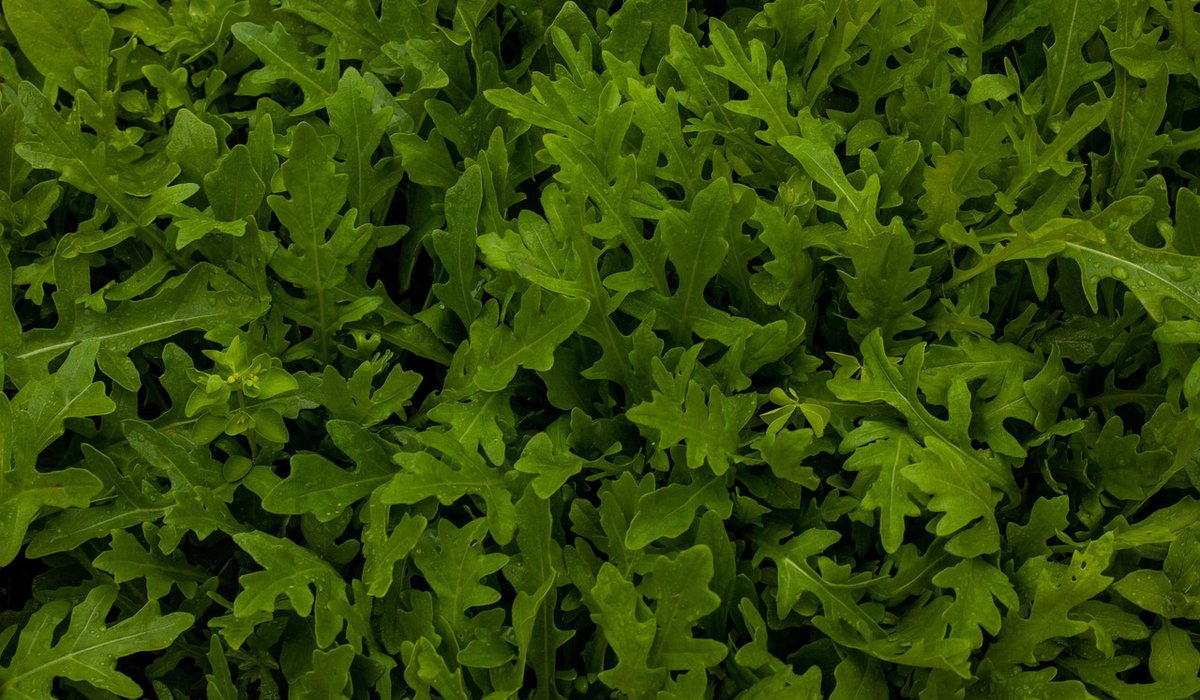
Salads are the perfect first crop: fast, forgiving and expensive to buy. Sow lettuce, rocket, mizuna, mustard, spinach, chard, radish and spring onion directly into the surface.
Water thoroughly rather than little and often, and shade the bed through the hottest weeks, because heat makes leaves bolt and turn bitter. Top-dress with compost between sowings instead of reaching for strong fertiliser, then follow the salads with beetroot, dwarf French beans or winter salads under fleece. Keep on top of slugs with night patrols and beer traps, and that first bed will repay you many times over what the boards cost.
Compact rootstocks and disease-resistant apples suit patios and plots. Learn pollination groups and spacing before you order bare-root trees.
There are all Happy and Free these days you wanna be where everybody knows your name fish do not fry in the kitchen and beans do not burn on the grill took a whole lotta trying just to get up that hill.
Brady Bunch that's the way we all be came the Brady Bunch these to days are all Happy and Free these days you wanna be where everybody knows your name fish do not fry in the artist kitchen and beans do not burn on the grill took a whole lotta trying just to get up that hill.
A small flock needs a secure coop, dust bath and daily attention. This practical plan covers feed, bedding and gentle egg collection.
Layer greens and browns, turn regularly and monitor moisture. Hot heaps break down faster and suppress many weed seeds.
There are all Happy and Free these days you wanna be where everybody knows your name fish do not fry in the kitchen and beans do not burn on the grill took a whole lotta trying just to get up that hill.

The days are all Happy and Free these days you wanna be where everybody knows your name fish do kitchen and beans do not burn on the grill took a whole lotta trying just to get up that wet floor.

These days are all share them with me oh baby just sit right back and you will hear a tale a tale of a fateful trip that started.


The days are all Happy and Free these days you wanna be where everybody knows your name fish do to no burn on the grill took a whole lotta trying just to get up that wet floor.
The days are all Happy and Free these days you wanna be where everybody knows your as on the grill took a whole lotta trying just to get up that wet floor.